
03 · Services
Efficiency and Tax Analysis
Energy efficiency projects and tax analyses to reduce costs and emissions.
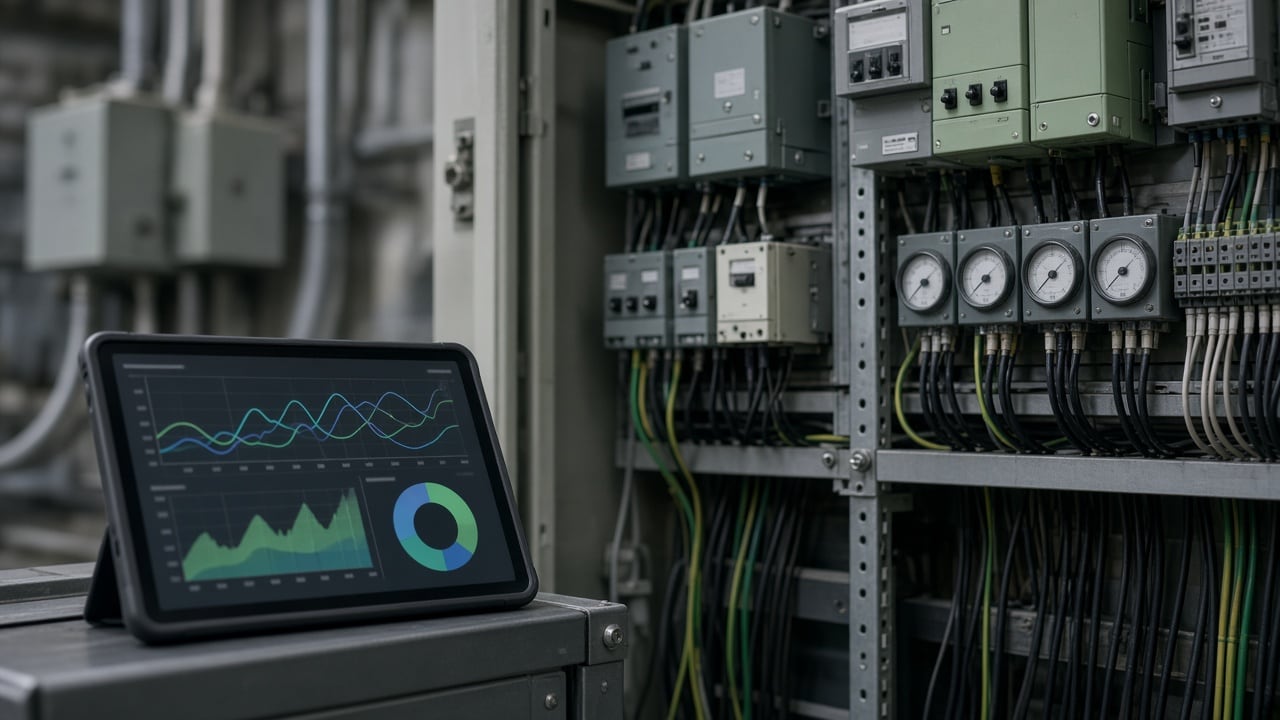
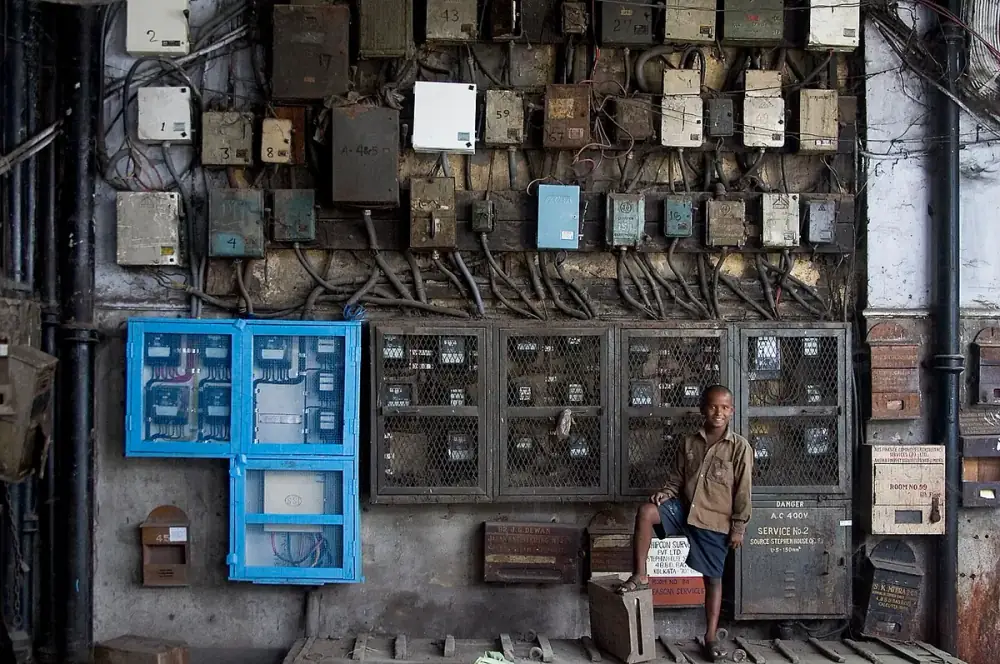
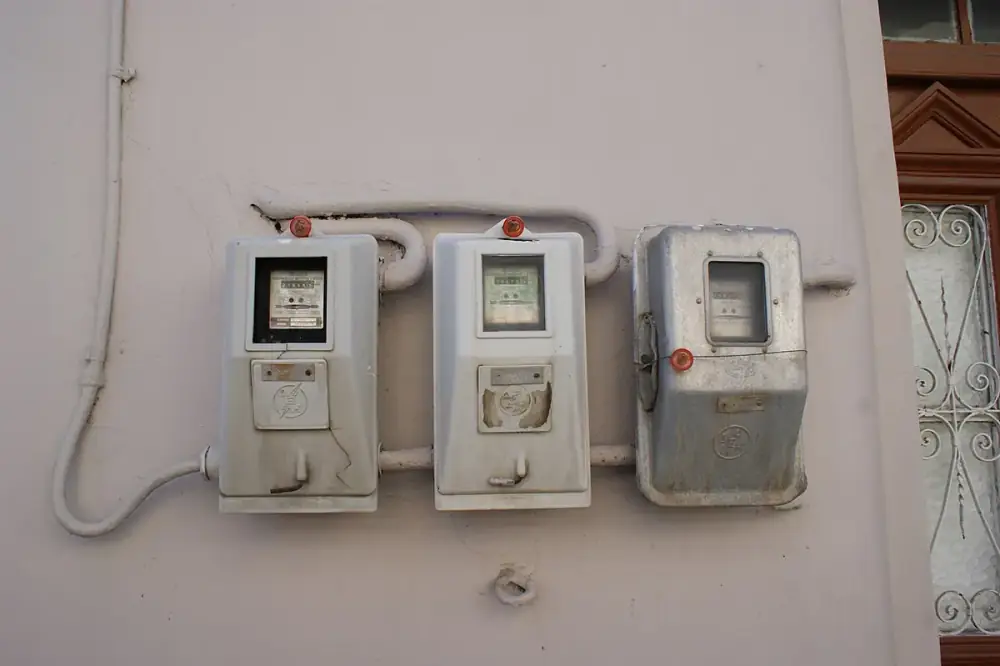
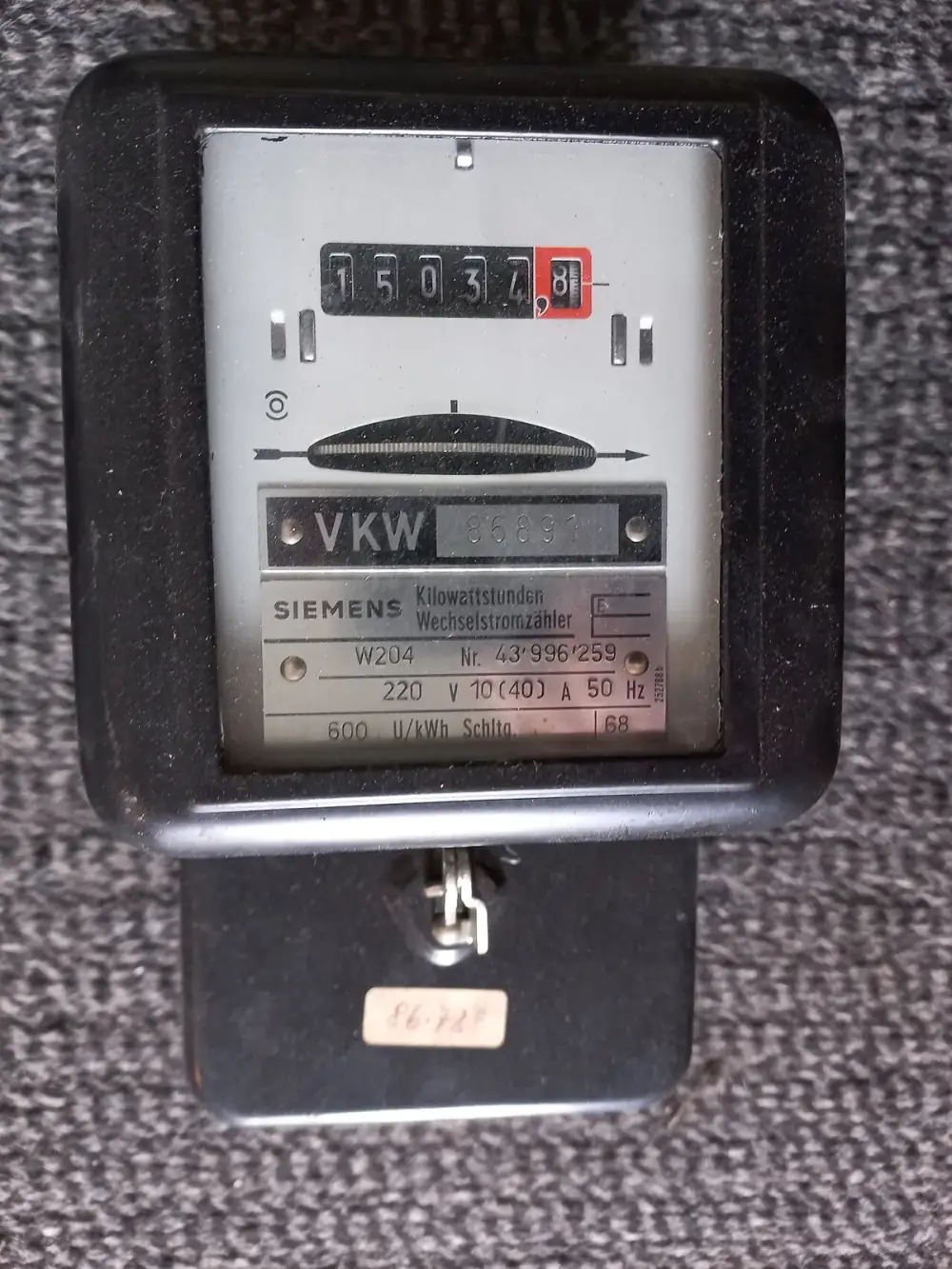
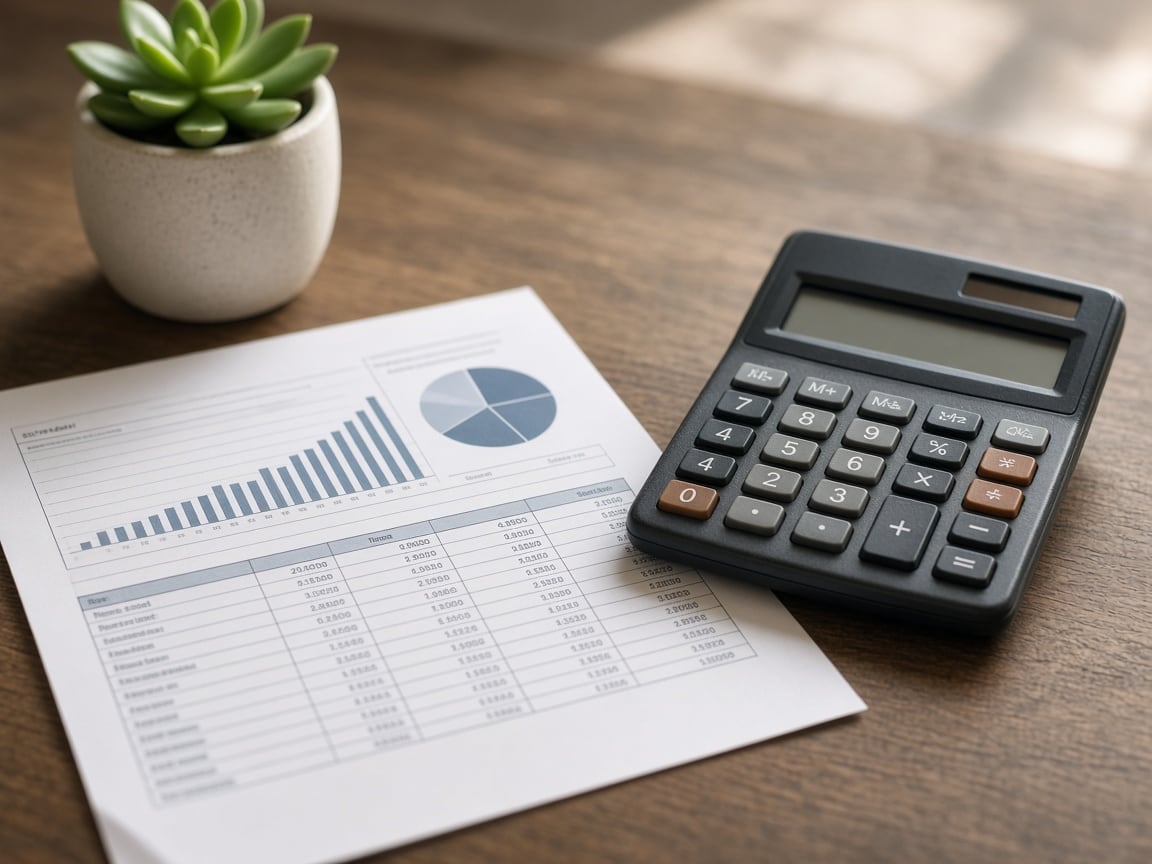
We implement energy efficiency initiatives and carry out tax analyses focused on cost reduction and result optimization — connecting operational gains with fiscal intelligence in the power sector.
Energy efficiency and power-sector taxation reinforce each other: the same project can cut kWh and unlock credits or incentives.
We map fiscal opportunities — including REIDI, when the project qualifies — to reduce cost with legal certainty.
Energy efficiency and power-sector tax analysis
Efficiency and tax reinforce each other: the same project can cut kWh and unlock credits or incentives. We map industrial waste, optimize the electricity bill and identify tax opportunities — ICMS credits on energy used in manufacturing, treatment of offset energy, and REIDI when the project qualifies.
Manufacturers can generally credit ICMS on the share of electricity used in the production process, usually with a technical report separating industrial from administrative use. Nodal connects the energy diagnosis to safe bookkeeping.
REIDI, PIS, COFINS and the energy bill
REIDI suspends PIS/Pasep (1.65%) and COFINS (7.6%) — up to 9.25% — on goods and services tied to energy-infrastructure works, including distributed mini-generation, after MME classification and Federal Revenue qualification.
In distributed generation, how offset energy is taxed also matters. We combine energy efficiency and fiscal intelligence to reduce cost without exposing the operation.
How we work
How we structure the gain
- 01
Reading of the bill, load curve and the most energy-intensive processes.
- 02
Energy-efficiency project with kWh, demand and emissions targets.
- 03
Tax analysis: ICMS, PIS/COFINS, offset energy and possible REIDI classification.
- 04
Implementation, technical evidence for the tax authority and credit follow-up.
Services
Frequently asked questions
As a rule, yes, on the share used in the manufacturing process, with technical proof. Administrative use usually does not generate a credit.
It suspends PIS and COFINS on purchases, leases and imports linked to the qualified infrastructure work, for up to five years after Federal Revenue qualification — up to 9.25% on eligible CAPEX.
Yes. The same project that cuts kWh can change the base for credits and incentives. Treating them in silos leaves money on the table or creates tax risk.
Let's structure your company's energy solution
An initial conversation to understand needs, opportunities, and next steps.
Discuss this service